Introduction
When a storm strikes, the aftermath can be devastating, leaving communities to face the daunting task of cleanup and recovery. In Easley, South Carolina, this task is not taken lightly. "Storm Damage Cleanup Easley SC" is a critical operation that ensures the safety and well-being of residents while restoring the town's infrastructure. This comprehensive article will delve into the intricacies of storm damage cleanup in this region, its historical context, and its significance within the broader landscape of disaster response. Readers will gain valuable insights into the processes, challenges, technological advancements, economic impacts, and future prospects of this essential service.
Understanding Storm Damage Cleanup Easley SC
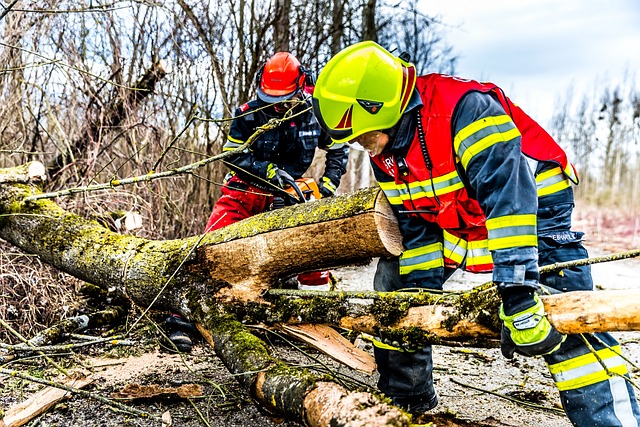
Storm Damage Cleanup Easley SC encompasses a multifaceted approach to restoring a community after severe weather events. It involves hazardous waste removal, debris collection and disposal, infrastructure repair, and ensuring the health and safety of residents. The core components include emergency response teams, local government coordination, environmental management, and community involvement.
Historically, Easley's approach to storm damage cleanup has evolved significantly. From manual labor to modern machinery and technology-driven solutions, the process has become more efficient and effective. This evolution reflects a broader trend in disaster management, where communities are increasingly adopting integrated and advanced strategies to mitigate the impacts of storms.
Global Impact and Trends
The impact of storm damage cleanup extends beyond Easley's borders. Across the globe, communities face similar challenges, adapting their strategies to local conditions and resources. Key trends shaping this field include a greater emphasis on proactive measures, such as infrastructure resilience and early warning systems, to reduce the severity of damage before it occurs.
Different regions exhibit distinct responses due to varying climates, regulatory environments, and economic conditions. For instance, coastal areas may prioritize saltwater-resistant materials in reconstruction, while mountainous regions might focus on landslide prevention and debris flow management. The global trend is moving towards a more unified approach, where lessons learned from one region can inform the strategies of another.
Economic Considerations
The economic aspects of storm damage cleanup are multifaceted. It involves significant investment in infrastructure, equipment, and personnel. The market dynamics are influenced by factors such as the frequency and severity of storms, which can affect insurance rates and coverage availability.
Investment patterns also reflect a growing recognition of the need for sustainable and resilient infrastructure. Economic systems benefit from these investments not only in terms of immediate cleanup but also through long-term employment opportunities and the enhancement of local economies. "Storm Damage Cleanup Easley SC" plays a pivotal role in these economic systems, contributing to job creation, local business support, and overall community resilience.
Technological Advancements
Technology has revolutionized storm damage cleanup operations. Advancements such as drones for aerial assessments, AI-driven predictive analytics for disaster response, and GPS-enabled systems for debris tracking have significantly improved efficiency and safety.
These technologies not only streamline the cleanup process but also provide invaluable data for future planning and decision-making. For example, drone footage can be analyzed to understand wind patterns and identify areas at higher risk during future storms. The future potential of these technologies promises even more sophisticated solutions, including autonomous machines capable of clearing debris without human intervention.
Policy and Regulation
A comprehensive set of policies and regulations governs "Storm Damage Cleanup Easley SC." These include federal, state, and local guidelines that dictate everything from waste disposal to safety protocols. The South Carolina Department of Natural Resources and the Federal Emergency Management Agency (FEMA) are among the key entities that provide frameworks for effective cleanup operations.
Legislation such as the National Environmental Policy Act (NEPA) ensures environmental considerations are integrated into cleanup efforts, while the Stafford Act enables federal assistance during major disasters. These policies and regulations not only guide the cleanup process but also influence how communities prepare for and respond to storms.
Challenges and Criticisms
"Storm Damage Cleanup Easley SC" faces several challenges, including resource allocation, logistical complexities, and the need for coordination among multiple agencies. One of the most significant criticisms is the slow pace at which cleanup operations can sometimes progress, exacerbating the hardships faced by affected communities.
To overcome these issues, actionable solutions such as improved inter-agency communication, better resource management, and community-driven recovery efforts are essential. Strategies like enhanced training for emergency response personnel and the development of local infrastructure to withstand future storms are also critical.
Case Studies
Several case studies exemplify the successful application of "Storm Damage Cleanup Easley SC." One such example is the response to Hurricane Florence in 2018, where rapid mobilization and coordinated efforts minimized long-term impacts on the community. Lessons learned from this event have been instrumental in refining cleanup protocols and emergency preparedness plans.
Another case study is the implementation of green infrastructure projects post-storm, which not only accelerate recovery but also contribute to long-term sustainability and resilience. These cases demonstrate the effectiveness of a well-planned and executed storm damage cleanup operation.
Conclusion
"Storm Damage Cleanup Easley SC" is a testament to human ingenuity, community spirit, and the importance of preparedness in the face of natural disasters. The integration of advanced technology, proactive policy-making, and collaborative effort has turned what was once a reactive process into a model for resilient and sustainable disaster response. As communities continue to face the challenges brought by extreme weather events, the lessons learned from Easley's approach will undoubtedly inform and improve storm damage cleanup efforts worldwide.
FAQs
-
What are the key components of storm damage cleanup?
The key components include emergency response, hazardous waste removal, debris collection and disposal, infrastructure repair, environmental management, and community involvement.
-
How has technology impacted storm damage cleanup operations?
Technology has improved efficiency, safety, and decision-making through advancements like drones, AI analytics, and GPS systems. These tools provide better data for assessing damage and planning future responses.
-
What policies and regulations govern storm damage cleanup in Easley, SC?
Federal (e.g., FEMA, NEPA) and state policies, along with local ordinances, dictate the cleanup process, ensuring compliance with environmental, safety, and waste disposal standards.
-
What are some of the challenges faced by storm damage cleanup operations?
Challenges include resource allocation, logistical complexities, inter-agency coordination, and addressing criticism regarding pace and effectiveness.
-
Can you provide examples of successful storm damage cleanup efforts in Easley, SC?
Yes, one notable example is the response to Hurricane Florence, which demonstrated effective coordination and rapid execution of cleanup operations. Additionally, green infrastructure projects post-storm have shown long-term benefits for community resilience.
December 19, 2025
Storm Damage Cleanup Easley SC
In the realm of property maintenance, enhancing aesthetics can significantly impact curb appeal and overall value. One often overlooked yet powerful tool is tree trimming—a strategic art that can transform outdoor spaces. Storm Damage Cleanup.......
Read more →
December 19, 2025
Storm Damage Cleanup Easley SC
Seasonal pruning and maintenance are essential practices for any homeowner looking to protect their investment and ensure the health of their trees. Proper care, especially during unpredictable South Carolina weather, can prevent storm damage th.......
Read more →
December 18, 2025
Storm Damage Cleanup Easley SC
In the dynamic landscape of urban and suburban environments, commercial emergency tree safety and clearing services play a pivotal role in mitigating risks associated with storm damage. Easley, SC, like many areas prone to severe weather, faces.......
Read more →
December 18, 2025
Storm Damage Cleanup Easley SC
In the realm of commercial property management, enhancing curb appeal is a powerful strategy to attract tenants and boost property values. One oft-overlooked aspect with immense potential is landscape pruning—a game-changer in creating stunnin.......
Read more →
December 18, 2025
Storm Damage Cleanup Easley SC
In the competitive landscape of commercial real estate development, efficient and cost-effective site preparation is a game-changer. Storm Damage Cleanup Easley SC has emerged as a critical aspect for developers aiming to maximize return on inve.......
Read more →
December 17, 2025
Storm Damage Cleanup Easley SC
In the face of storm damage, whether it's a fierce wind or heavy rainfall, homes and businesses in Easley SC often find themselves in need of prompt and reliable tree services. The aftermath of such weather events can leave behind damaged or fal.......
Read more →
December 17, 2025
Storm Damage Cleanup Easley SC
Storms can leave a trail of destruction, with fallen trees and debris posing significant risks to property and safety. Effective storm damage cleanup is essential for communities like Easley SC, where such events are common. Navigating the after.......
Read more →
December 17, 2025
Storm Damage Cleanup Easley SC
In the vibrant landscape of Easley SC, where bustling communities thrive, maintaining large properties presents unique challenges, especially following storm damage. Commercial tree removal services play a pivotal role in Storm Damage Cleanup Ea.......
Read more →
December 17, 2025
Storm Damage Cleanup Easley SC
Residential property clearing is a critical step often overlooked but essential for successful landscaping projects, especially post-storm damage in Easley SC. As severe weather events become more frequent, proper cleanup and preparation are vit.......
Read more →
December 16, 2025
Storm Damage Cleanup Easley SC
In the ever-changing seasons, proper pruning and maintenance are essential for the health and longevity of any landscape. As we navigate through varying weather patterns, from blooming springs to harsh winters, it's crucial to prepare and protec.......
Read more →
December 16, 2025
Storm Damage Cleanup Easley SC
In the wake of severe weather events, Storm Damage Cleanup Easley SC becomes an essential service for both residential and commercial properties. Trees, once a scenic enhancement, can turn into hazardous debris after storms, necessitating profes.......
Read more →
December 16, 2025
Storm Damage Cleanup Easley SC
In the bustling landscape of Storm Damage Cleanup Easley SC, reliable tree removal services are an essential component of any comprehensive disaster recovery plan. Trees, though beautiful, can become hazardous after severe weather events, posing.......
Read more →
December 15, 2025
Storm Damage Cleanup Easley SC
In the face of Storm Damage Cleanup Easley SC, proper tree management becomes a critical component of property maintenance. Trees, while offering aesthetic value and environmental benefits, can also pose significant risks during severe weather e.......
Read more →
December 15, 2025
Storm Damage Cleanup Easley SC
In the aftermath of a storm, especially in areas like Storm Damage Cleanup Easley SC, one of the most pressing challenges homeowners face is obtaining accurate and reliable tree removal quotes. The destruction left by powerful storms can include.......
Read more →
December 15, 2025
Storm Damage Cleanup Easley SC
Tree service estimates play a vital role in the post-storm landscape, particularly in Storm Damage Cleanup Easley SC. With frequent severe weather events, accurate and timely estimates are crucial for efficient recovery efforts. The challenge li.......
Read more →
December 14, 2025
Storm Damage Cleanup Easley SC
Tree maintenance is a vital aspect of property care, especially in regions prone to severe weather events like Storm Damage Cleanup Easley SC areas. Improper trimming can lead to safety hazards during storms, with branches posing a risk to struc.......
Read more →
December 14, 2025
Storm Damage Cleanup Easley SC
In the dynamic landscapes of residential and commercial development, efficient lot clearing stands as a cornerstone for successful projects. As communities grow, so does the need for swift and effective cleanup, especially after unforeseen event.......
Read more →
December 14, 2025
Storm Damage Cleanup Easley SC
In the face of increasingly severe weather events, effective storm damage cleanup has become an indispensable service for communities across South Carolina, particularly in areas like Easley SC. As these storms leave behind a trail of debris, fr.......
Read more →
December 11, 2025
Storm Damage Cleanup Easley SC
In the dynamic landscape of development, efficient and affordable lot clearing is more than a logistical consideration—it's a catalyst for progress. As communities grow, so does the need for accessible commercial spaces, making swift cleanup a.......
Read more →
December 9, 2025
Storm Damage Cleanup Easley SC
Tree maintenance is a vital aspect of urban and rural environments, especially considering the growing risks associated with storm damage. As Storm Damage Cleanup Easley SC becomes more frequent, reliable professional services are essential to e.......
Read more →